
Community support groups offer LGBTQ+ individuals a safe space to connect with others who share similar experiences, providing emotional validation, practical resources, and a sense of belonging that significantly improves mental health outcomes. These facilitated gatherings bring together people facing common challenges or identities, whether you’re exploring your gender identity, navigating coming out, coping with discrimination, or simply seeking connection within Edmonton’s queer community.
The difference between isolation and resilience often comes down to community. Research consistently shows that LGBTQ+ people who participate in support groups experience lower rates of depression and anxiety, develop stronger coping skills, and build lasting friendships that extend beyond meeting rooms. For many, these groups become lifelines during difficult transitions or ongoing struggles with family acceptance, workplace discrimination, or internalized stigma.
Edmonton’s LGBTQ+ community has cultivated diverse support networks tailored to specific needs. Youth-focused groups provide age-appropriate spaces for teens questioning their identity. Trans and non-binary groups center gender-specific experiences. Support circles exist for parents of queer children, older adults, newcomers to Canada, and people of color navigating intersectional identities. Some groups focus on mental health recovery, while others emphasize social connection or advocacy skills.
Finding the right group matters as much as showing up. What works for one person might not suit another, and that’s expected. Whether you need structured therapy-style sessions or informal peer gatherings, professional facilitation or community-led conversation, options exist across Edmonton. The key is understanding what support groups offer, recognizing which type fits your current needs, and taking that first step through the door.
What Makes a Community Support Group Effective
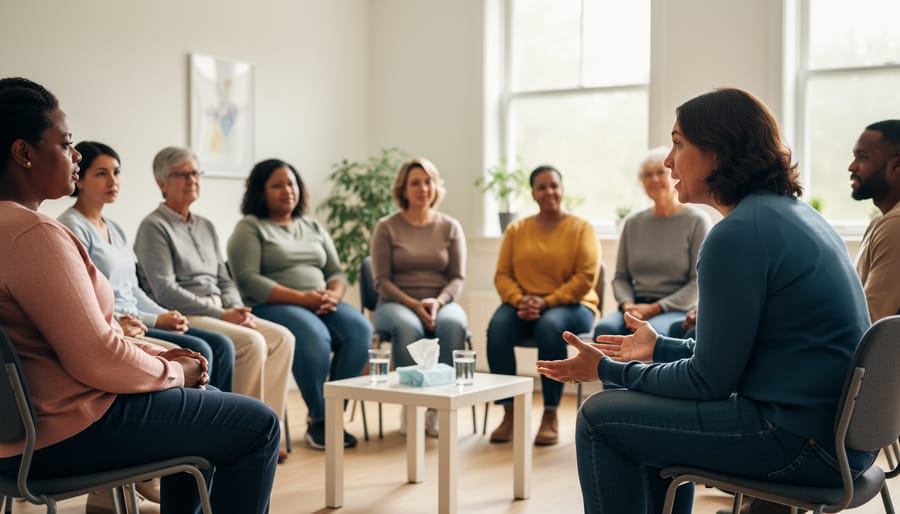
An effective support group does more than bring people together, it creates conditions where trust can grow and real support can happen. Four core elements consistently shape whether a group becomes a meaningful source of connection or fizzles out after a few meetings.
Safety and inclusivity form the foundation. Members need to know they can share honestly without judgment, harassment, or having their experiences dismissed. This means clear group agreements about respect, active work to include diverse voices and experiences, and zero tolerance for discrimination within the space itself. When people feel genuinely safe, they open up; when they don’t, the group becomes superficial at best.
Shared identity or experience creates natural understanding. Whether it’s navigating transition, coming out later in life, or parenting as LGBTQ+ individuals, that common ground means members don’t need to explain the basics of their reality. You can skip past “let me educate you” and move straight to “here’s what I’m actually dealing with.” This shared context accelerates connection and reduces the exhausting work of justifying your existence.
Structure matters more than many realize. Groups need someone steering, whether that’s a trained facilitator, a mental health professional, or a committed peer leader who keeps discussions on track and ensures everyone gets heard. Without this, groups can drift into venting sessions that leave people feeling worse, or get dominated by one or two voices while others fade into the background.
Confidentiality and respect aren’t optional niceties. They’re the practical mechanisms that allow vulnerability. Members need explicit agreements that personal stories stay in the room, that people can share without fear of gossip or exposure, and that different perspectives within the LGBTQ+ community will be treated with respect. When these commitments hold consistently, belonging deepens and the group becomes a genuine refuge rather than just another social obligation.
Types of Support Groups in the LGBTQ+ Community
Identity-Based Support Groups
Identity-based support groups create space for LGBTQ+ individuals who share a specific aspect of their identity to connect with others who truly understand their experiences. These groups recognize that while the broader queer community shares common ground, different identities face distinct challenges and deserve tailored support.
Trans and non-binary support groups provide crucial community for individuals navigating gender identity, transition processes, and accessing gender-affirming care. Members exchange practical advice about everything from healthcare providers to workplace transitions, while validating each other’s journeys in a world that often misunderstands them.
Queer youth groups offer safe environments for teenagers and young adults exploring their identities, building confidence, and connecting with peers who share similar life stages. Two-Spirit circles honor Indigenous LGBTQ+ individuals by centering cultural teachings and creating space where traditional knowledge and queer identity intersect.
Bisexual and pansexual meetups address the unique erasure and misconceptions these communities face, even within LGBTQ+ spaces. These gatherings validate experiences that mainstream gay and lesbian groups may overlook, fostering belonging for those attracted to multiple genders.
Life Stage and Situation Groups
Groups organized around specific life circumstances recognize that LGBTQ+ individuals face distinct challenges at different stages and situations. Coming out support groups provide a foundation for people navigating disclosure to family, friends, or workplaces, offering encouragement and practical strategies from those who’ve walked the same path. LGBTQ+ parenting circles bring together parents raising children while managing heteronormative school systems, legal considerations, and extended family dynamics. These groups share everything from pediatrician recommendations to birthday party etiquette.
Seniors’ groups address the unique experiences of older LGBTQ+ adults who may have lived through decades of discrimination and now face aging concerns alongside ongoing marginalization in healthcare or housing. Mental health-focused circles create space for members managing depression, anxiety, trauma, or substance use issues while navigating the additional stressors that LGBTQ+ identities can bring. These situation-specific groups acknowledge that community members’ needs shift throughout life and that targeted support makes members feel genuinely understood rather than attempting one-size-fits-all solutions.
Peer-Led vs. Professionally Facilitated Groups
Both peer-led and professionally facilitated groups offer valuable support, but they serve different needs and create distinct environments.
Peer-led groups bring together community members with shared experiences who take turns guiding discussions. These grassroots circles often feel more informal and flexible, with participants setting the agenda based on what matters most to them that day. The strength here is authentic lived experience, members understand each other’s challenges firsthand and offer real-world strategies that have worked in their own lives. Peer groups typically operate with minimal structure, foster strong friendship bonds, and carry no cost to attend.
Professionally facilitated groups are guided by trained counselors, social workers, or therapists who structure sessions around specific therapeutic goals or skill-building. A facilitator maintains boundaries, manages group dynamics when conflicts arise, and ensures everyone gets heard. These groups work particularly well when dealing with complex mental health concerns, trauma processing, or situations requiring clinical expertise.
Choose peer-led groups when you want authentic connection and mutual support from people who truly get it. Opt for professional facilitation when you need therapeutic guidance, are working through significant mental health challenges, or prefer clear structure and expert intervention.
The Well-being Benefits of Joining a Support Group
Joining a community support group creates measurable improvements in mental health and quality of life for LGBTQ+ individuals. When you connect with others who understand your experiences firsthand, the sense of isolation that often accompanies being queer in heteronormative spaces begins to lift. Research confirms that peer support reduces loneliness and strengthens emotional resilience, particularly for marginalized communities facing unique stressors.
Validation stands as one of the most powerful benefits. In a support group, you don’t need to explain why a microaggression hurt or why family rejection still stings years later. Members have lived similar struggles. This shared understanding helps you trust your own feelings and experiences rather than second-guessing yourself or minimizing harm you’ve endured.
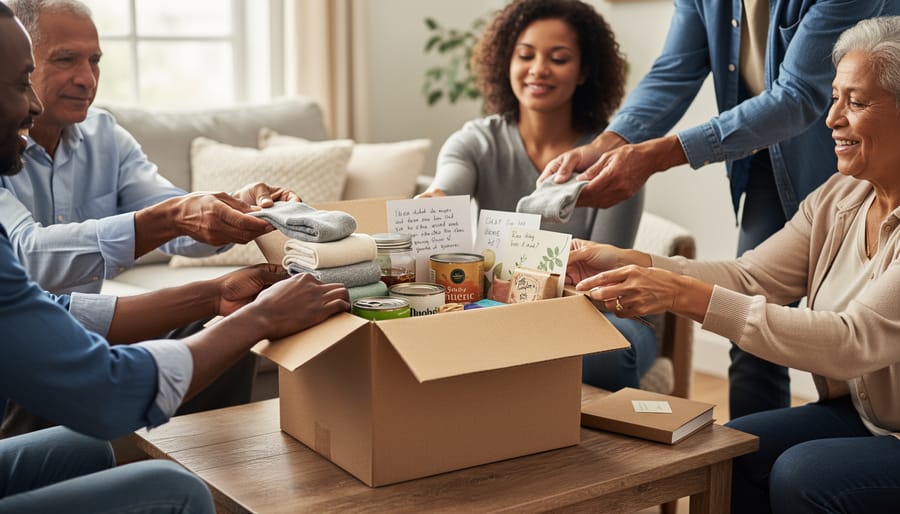
Support groups also serve as practical resource networks. Members exchange information about affirming healthcare providers, legal services, safer social spaces, and advocacy opportunities. Someone in your group might know which Edmonton schools are genuinely supportive of trans inclusion in schools or which local employers have strong non-discrimination policies. This crowdsourced knowledge saves time and reduces the emotional labor of navigating systems alone.
Through regular participation, you develop stronger coping skills. Hearing how others handle difficult situations, set boundaries, or advocate for themselves gives you practical strategies to adapt for your own life. You learn that multiple approaches exist for the same challenge, and you can experiment to find what works for your circumstances.
Connection itself builds resilience. Knowing you have people who will show up, listen without judgment, and celebrate your wins creates a safety net that buffers against discrimination and stress. Over time, many members report improved self-esteem, reduced anxiety, and greater confidence in navigating both LGBTQ+-specific challenges and everyday life situations.
How to Find and Connect with Support Groups in Edmonton
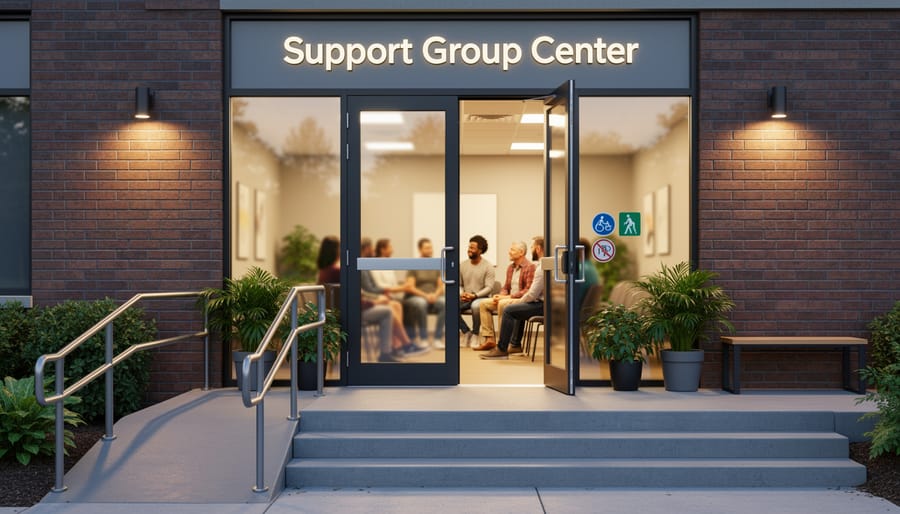
Finding a community support group in Edmonton starts with tapping into local resources that already serve the LGBTQ+ community. The Pride Centre of Edmonton maintains an updated calendar of support groups and social gatherings, making it an essential first stop. Many groups meet at accessible venues like community centres, public libraries, and affirming faith spaces throughout the city.
Online platforms extend your search beyond physical locations. Facebook groups dedicated to Edmonton’s LGBTQ+ community often share meeting details and event invitations. Organizations like LGBTQ+ wellness support providers post schedules for their facilitated groups, and platforms like list peer-organized gatherings by identity or interest.
Healthcare providers familiar with LGBTQ+ care can also point you toward appropriate groups. Ask your doctor, therapist, or counselor if they know of support circles that match your needs. Local organizations such as HIV Edmonton and the Institute for Sexual Minority Studies frequently coordinate specialized support groups and can connect you with the right community.
Word-of-mouth remains powerful. Attending LGBTQ+ events, volunteering, or simply talking with connected community members often leads to invitations and insider knowledge about groups that don’t advertise widely.
Before committing, evaluate whether a group fits your needs. Consider the group’s focus (does it match your identity or situation?), the meeting format (peer-led discussion versus professional facilitation), and the environment (do you feel welcomed and safe?). Most groups welcome drop-ins or trial visits, allowing you to experience the dynamic before deciding. Trust your instincts, the right group will feel like coming home.
Starting Your Own Community Support Group
Sometimes the support group you need doesn’t exist yet, and that’s your invitation to create it. Starting your own community support group requires intention and planning, but it’s entirely achievable with these foundational steps:
- Identify the specific need. Define what gap your group will fill. Are you creating space for queer professionals, LGBTQ+ newcomers to Canada, or partners of trans individuals? A clear focus helps attract the right participants.
- Find an accessible meeting space. Look for welcoming venues that cost little or nothing: community centers, LGBTQ+-friendly cafés, libraries, or faith spaces with inclusive policies. Virtual options through video platforms remove geographic barriers and can complement in-person gatherings.
- Establish clear group guidelines. Draft shared agreements covering confidentiality, respectful communication, participation expectations, and how conflicts will be handled. These boundaries create psychological safety from day one.
- Promote thoughtfully. Share your group through social media, community bulletin boards, community health resources and word of mouth. Be specific about who the group serves and what participants can expect.
- Sustain participation over time. Consistency matters more than perfection. Set a regular schedule, rotate facilitation responsibilities if possible, check in with members about their needs, and adjust your approach as the group evolves.
You don’t need professional training to facilitate a peer support space, though attending a facilitator workshop can build your confidence. What matters most is your commitment to holding space with empathy and consistency. Many of Edmonton’s strongest support networks started with one person recognizing an unmet need and inviting others to gather. Your community might be waiting for exactly what you’re ready to offer.
Common Questions About Community Support Groups
Joining a community support group for the first time often brings up practical questions and concerns. Understanding what to expect can ease initial anxiety and help you determine if a group is the right fit for your needs.
Are support group discussions confidential?
Most support groups operate under confidentiality agreements, meaning what is shared in the group stays in the group. Facilitators typically review confidentiality guidelines at the start of each meeting to ensure everyone feels safe sharing.
What happens at a first meeting?
First meetings usually include introductions, a review of group guidelines, and an opportunity to share as much or as little as you’re comfortable with. There’s no pressure to disclose personal information right away.
Do support groups cost money?
Many LGBTQ+ community support groups in Edmonton are free or operate on a sliding scale donation basis. Groups run through community centers or nonprofit organizations typically don’t charge fees, while those led by licensed therapists may involve costs.
How is a support group different from therapy?
Support groups focus on peer connection and shared experiences, while therapy provides professional clinical treatment. Support groups complement therapy but aren’t a substitute for mental health treatment when that’s needed.
If you’re naturally shy or experience social anxiety, you’re not alone in feeling hesitant. Many groups welcome quiet participation, and you can simply listen during your first few sessions. Some members find it helpful to arrive a few minutes early to chat one-on-one with the facilitator or to bring a friend to the first meeting if the group allows it.
Attendance expectations vary by group. Some operate as drop-in circles where you can come when it works for your schedule, while others ask for regular commitment to build consistency and deeper connections among members. Ask about attendance policies when you first reach out, and don’t feel guilty if you need to miss sessions occasionally.
Virtual support groups have become increasingly available, offering flexibility for those with transportation challenges, mobility concerns, or scheduling conflicts. Online formats can feel less intimidating for first-timers, though in-person groups often create stronger interpersonal bonds over time. Consider trying both formats to see which environment helps you feel most supported and connected.
Community support groups remain one of the most powerful tools for building resilience and connection in Edmonton’s LGBTQ+ community. They transform isolation into belonging, uncertainty into shared understanding, and individual struggle into collective strength. Whether you’re navigating identity questions, seeking community after a major life transition, or simply wanting to connect with others who get it, a support group offers a space where you can show up as yourself.
Reaching out isn’t a sign of weakness, it’s an intentional choice to prioritize your well-being and invest in meaningful relationships. The conversations that happen in these circles, the friendships that form, and the validation you receive can fundamentally shift how you move through the world.
Edmonton’s LGBTQ+ community has built a network of support spaces designed to meet you where you are. Explore the resources available through local organizations, community centers, and online networks. Attend a meeting, even if it feels uncertain at first. Your presence matters, your story deserves to be heard, and the support you need is waiting. Take that step, your community is ready to welcome you.