
THCA pre-rolls and CBD offer targeted support for wellness challenges many LGBTQ+ individuals face, including minority stress, sleep disruption, and chronic tension, without the immediate psychoactive effects of traditional THC products. THCA (tetrahydrocannabinolic acid) remains non-intoxicating until heated, allowing for gentler, more controlled experiences, while CBD provides calming, anti-inflammatory benefits that complement daily routines. Together, these cannabinoids address both immediate comfort needs and long-term wellness goals. You can shop pre-rolls here to explore options that fit your lifestyle.
For LGBTQ+ folks navigating unique stressors, from healthcare discrimination to social marginalization, wellness tools need to be accessible, effective, and aligned with personal values. The cannabis wellness landscape in 2026 has expanded beyond recreational use into intentional self-care, with products designed for specific outcomes rather than one-size-fits-all experiences. THCA and CBD represent this shift. They allow users to manage anxiety, physical discomfort, and emotional regulation without compromising clarity or daily function.
This article breaks down what THCA pre-rolls and CBD actually do, why they resonate within the LGBTQ+ community, and how to use them safely and effectively. We’ll explore strain differences, dosing considerations, and practical integration into your wellness routine. Whether you’re new to cannabinoids or refining your approach, understanding these products empowers you to make informed choices that honor your body and your journey. Our community deserves wellness solutions that work with us, not against us, and these tools offer exactly that when used thoughtfully.
Understanding THCA and CBD: What Makes Them Different
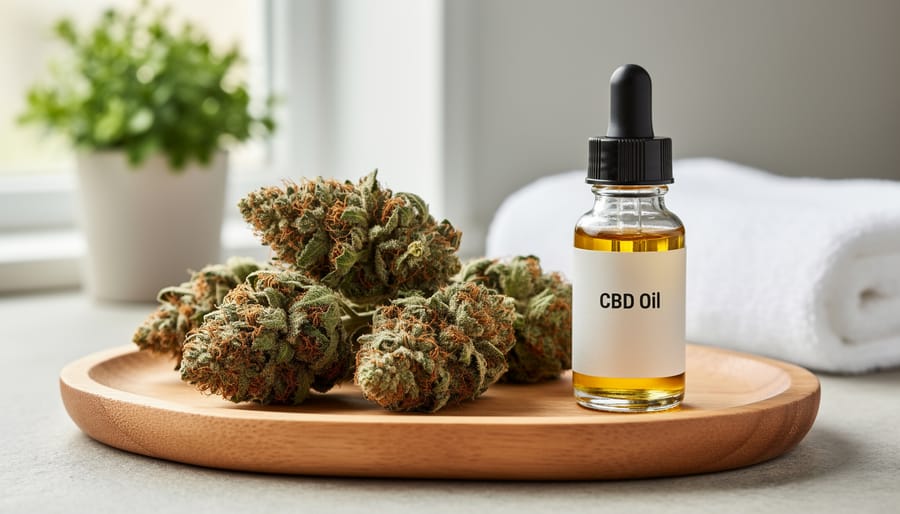
When you’re exploring wellness options, understanding what you’re actually consuming matters. THCA and CBD are both cannabinoids, naturally occurring compounds found in cannabis and hemp plants, but they work quite differently in your body, and neither produces the intoxicating “high” associated with marijuana.
- Cannabinoids
- Chemical compounds found in cannabis plants that interact with receptors throughout the human body, influencing various physical and mental processes.
- THCA (Tetrahydrocannabinolic Acid)
- The raw, acidic form of THC found in fresh cannabis plants. In its natural state, THCA doesn’t produce intoxicating effects.
- CBD (Cannabidiol)
- A non-intoxicating cannabinoid valued for its potential calming and anti-inflammatory properties, available from both cannabis and hemp plants.
- THC (Tetrahydrocannabinol)
- The primary intoxicating compound in cannabis, created when THCA is heated. THC produces the characteristic “high” and altered mental state.
- Decarboxylation
- The heating process that converts THCA into THC by removing a carboxyl group from the molecule’s structure.
Here’s where it gets interesting for wellness users: raw THCA won’t get you high. The molecule is too large to effectively bind with brain receptors that create intoxication. But when you light a THCA pre-roll, decarboxylation happens instantly. The heat transforms THCA into THC, which does have psychoactive effects.
CBD operates differently altogether. It doesn’t convert into an intoxicating compound when heated. Whether you consume it raw or processed, CBD remains non-intoxicating while potentially supporting relaxation, comfort and balance. Many people use CBD during the day without impairment concerns.
Why does this matter for your wellness journey? If you’re seeking potential therapeutic benefits without intoxication, CBD products offer that directly. THCA pre-rolls require a decision: consume them raw (say, in a smoothie) for non-intoxicating effects, or smoke them knowing you’ll experience THC’s psychoactive properties. There’s no right answer, just what aligns with your needs, your schedule, and how you want to feel. Understanding these differences helps you choose products that actually serve your wellness goals rather than working against them.
Why LGBTQ+ Wellness Needs Deserve Specific Attention

Living as an LGBTQ+ person means navigating stressors that others simply don’t face. Minority stress, the chronic strain of existing in environments that aren’t always affirming, takes a real toll. Research consistently shows higher rates of anxiety, depression, and sleep disruption among LGBTQ+ individuals compared to the general population. These aren’t personal failings. They’re predictable responses to discrimination, microaggressions, and the exhausting work of deciding whether you’re safe to be yourself in each new space.
Healthcare systems haven’t always served our community well. Many LGBTQ+ people have encountered providers who lack cultural competency, misunderstand their needs, or make them feel invisible. The lasting impact of pathologizing queer identities, and the ongoing reality that not every clinic feels safe, means some community members avoid seeking care until problems become severe. This gap matters when we’re considering wellness approaches that could genuinely help.
The barriers start early and persist. When young people don’t feel supported in talking about gender or sexuality at home, or when teachers don’t work in a welcoming school environment themselves, the message is clear: your needs aren’t priorities. That early invisibility compounds over time.
This is why LGBTQ+-informed wellness approaches matter. Generic advice doesn’t account for the specific pressures our community faces, the vigilance required in public spaces, the energy spent managing disclosure, the impact of family rejection, or the way societal stigma becomes internalized stress. Wellness tools that work for the majority population may work differently, or require different framing, for people carrying these additional burdens.
Understanding this context isn’t about claiming victim status. It’s about acknowledging reality so we can make informed choices about what might genuinely support our wellbeing. THCA and CBD aren’t magic solutions to systemic problems, but they can be part of a broader self-care practice that recognizes what LGBTQ+ bodies and minds actually need.
THCA Pre-Roll Products and Strains: What to Know
Choosing Quality and Safe Products
Navigating the cannabis market can feel overwhelming, especially when your wellness is on the line. Knowing what to look for empowers you to choose products that are both safe and effective.
Always prioritize products that come with third-party lab testing results, often called Certificates of Analysis (COAs). These lab reports verify the cannabinoid content, confirm the absence of harmful contaminants like pesticides, heavy metals, and mold, and ensure what’s on the label matches what’s inside. Reputable brands make these COAs easily accessible on their websites or through QR codes on packaging.
Source your THCA pre-rolls and CBD from licensed retailers in Alberta. Licensed dispensaries follow strict regulations and quality standards that protect consumers. Avoid purchasing from unlicensed sources or online vendors that can’t verify their products meet Canadian safety requirements.
When examining product labels, check for clear information including cannabinoid percentages, strain name, harvest date, and manufacturer details. Quality products will specify whether they’re full-spectrum, broad-spectrum, or isolate, which affects the overall experience and potential benefits.
Look for brands that are transparent about their growing practices. Organic or pesticide-free cultivation methods matter when you’re inhaling a product. Don’t hesitate to ask questions at dispensaries about sourcing, testing, and production methods.
Your wellness deserves products you can trust. Taking time to verify quality and safety isn’t being overly cautious; it’s practicing informed self-care that honors your health and your community’s wellbeing.
Potential Wellness Benefits for LGBTQ+ Community Members
Research shows that CBD interacts with the endocannabinoid system to potentially help regulate stress responses, which matters when you’re dealing with minority stress or navigating environments that don’t always feel safe. Some LGBTQ+ community members report that CBD helps take the edge off daily anxiety without affecting their ability to function at work or in social situations. The non-intoxicating nature means you can use it during the day without worrying about impairment.
THCA, in its raw form, may offer anti-inflammatory properties that some users find helpful for physical tension that builds up from chronic stress. When you carry stress in your body, tight shoulders, tension headaches, that clenched feeling in your chest, addressing inflammation can be part of a broader wellness approach. Once heated in a pre-roll, THCA converts to THC, which affects people differently but may help with relaxation and unwinding after difficult days.
Sleep challenges are common in LGBTQ+ communities, often tied to anxiety, hypervigilance, or processing difficult experiences. CBD has been studied for its potential to improve sleep quality by addressing underlying anxiety rather than acting as a sedative. THCA pre-rolls used in the evening might help some people transition into rest mode, though the psychoactive effects of heated THCA mean this approach won’t work for everyone.
Emotional balance can be tricky when you’re managing identity-related stress alongside everyday life pressures. Some users find that CBD provides a gentle steadying effect without numbing emotions or creating dependence. It’s not about escaping how you feel, it’s about potentially creating space to process experiences more calmly.
Important reality check: these products affect everyone differently. What helps your friend might not work the same way for you. Research into cannabis and cannabinoids specifically for LGBTQ+ wellness is limited, so most evidence comes from general population studies and community anecdotal reports. Benefits tend to be subtle rather than dramatic, and they work best as part of a broader wellness practice that includes community connection, therapy when needed, movement, and other self-care strategies.
Start with modest expectations. These aren’t magic solutions, but for some people they’re helpful tools in a larger wellness toolkit. Pay attention to how your body and mind respond, and adjust accordingly.
Creating Your Own Wellness Practice
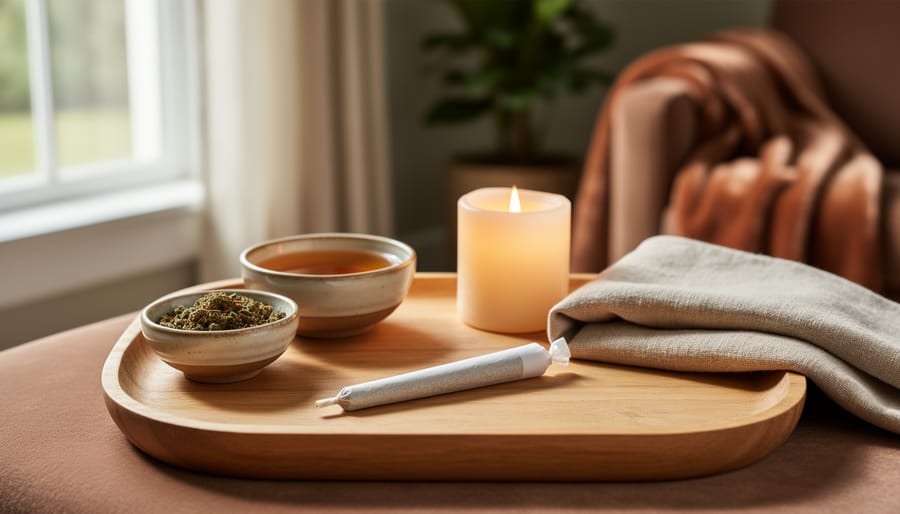
Building a wellness practice that works for you is a personal journey, and there’s no single “right” way to incorporate THCA pre-rolls or CBD into your routine. The key is starting where you are and adjusting based on what your body tells you.
If you’re new to these products, begin with the lowest effective dose and give yourself time to understand how you respond. For CBD, this might mean starting with 10-15mg daily and gradually increasing if needed. With THCA pre-rolls, take just a few small puffs initially and wait at least 15-20 minutes before deciding whether to continue. Your tolerance and needs are unique, so resist the urge to compare your experience with others.
- Choose your starting product, either CBD tincture, capsules, or a single THCA pre-roll from a reputable source.
- Set a consistent time of day for your wellness practice, such as evening wind-down or morning self-care.
- Create a comfortable, judgment-free space where you feel safe exploring these tools.
- Track your experience in a journal, note the product, dose, timing, and how you felt before and after.
- Wait at least three to five days before adjusting your approach to identify genuine patterns.
- Gradually experiment with timing, dosage, or different strains based on what you’ve learned.
Consider pairing these tools with activities that already support your wellness, whether that’s meditation, creative pursuits, movement, connecting with community through LGBT games or simply unwinding with music. Many people find that CBD or THCA enhances their ability to be present during these practices rather than replacing them.
Listen to your body without judgment. If something doesn’t feel right, it’s okay to pause, adjust, or stop altogether. Your wellness practice should feel supportive and sustainable, not obligatory or uncomfortable.
Important Considerations and Safety
While THCA pre-rolls and CBD can support wellness, they’re not right for everyone, and certain situations call for extra caution or professional guidance.
If you’re currently taking prescription medications, especially antidepressants, anti-anxiety medications, blood thinners, or immunosuppressants, talk with your healthcare provider before adding cannabis or CBD products to your routine. CBD can interact with enzymes that metabolize many medications, potentially affecting how your body processes them. THCA, once heated and converted to THC, may also interact with certain medications or intensify their effects.
Pregnant or nursing individuals should avoid cannabis products entirely, as research on safety during these periods remains limited. If you have a personal or family history of psychosis or certain mental health conditions, THC-containing products may not be appropriate for you.
In Canada, cannabis is federally legal for adults 18 and older (19 in some provinces, including Alberta). Purchase only from licensed retailers to ensure product safety and quality. However, workplace policies vary widely. Many employers maintain zero-tolerance cannabis policies, and THC can remain detectable in drug tests for weeks after use. Review your workplace guidelines, especially if you work in safety-sensitive positions.
Travel considerations matter too. While legal domestically, taking cannabis products across international borders, even to jurisdictions where cannabis is legal, remains illegal under federal law in most countries. Never travel internationally with THCA pre-rolls or CBD products without researching destination laws thoroughly.
If you experience uncomfortable effects like increased anxiety, rapid heartbeat, or extreme drowsiness after using these products, stop use and consult a healthcare provider. Your wellness journey should feel supportive, not stressful. Trust your instincts about what works for your body and circumstances.
Your wellness journey is yours to define, and the choices you make should feel right for your body, your life, and your needs. Whether you explore THCA pre-rolls, CBD, or other wellness approaches, what matters most is that you’re taking steps toward caring for yourself in ways that honor who you are.
LGBTQ+ wellness isn’t just about individual products or practices, it’s about building a life where you feel supported, heard, and free to thrive. THCA and CBD may offer tools that complement your self-care, but they work best alongside other foundations: meaningful connections, safe spaces, healthcare providers who respect your identity, and the knowledge that you deserve to feel good in your own skin.
Remember that you don’t have to navigate wellness alone. Edmonton’s LGBTQ+ community offers robust Pride resources and networks where you can find information, connection, and affirmation. Reaching out for community support when you need it isn’t weakness, it’s wisdom.
Start where you are. Listen to your body. Make informed choices based on quality information and your own experience. Adjust as you learn what works. And know that prioritizing your wellness is an act of self-respect and resilience. You deserve to feel well, whole, and authentically yourself.