
Inclusion in the classroom means every student belongs, is valued for who they are, and has what they need to take part fully in learning. It goes beyond placing students in the same room. An inclusive classroom is built so that students of every identity, ability, background, and family structure can see themselves in the lessons, feel safe speaking up, and succeed on their own terms.
For LGBTQ+ students, that can be as simple as a teacher using the name and pronouns a student asks for, or a bookshelf where rainbow families and gender-diverse characters appear alongside everyone else. For all students, it shows up in how seating is arranged, how group work is assigned, and how mistakes are handled. Small, steady choices add up to a room where kids stop spending energy on hiding and start spending it on learning.
Educators, parents, and allies across Edmonton are already doing this work, and you don’t need to be an expert to join in. This article explains how inclusion works day to day, what it looks like in practice, and where to find adaptable activities and local support to bring it into your own classroom or community.
What Inclusion Means in a Classroom
Why It Matters for Every Student
When students feel seen and safe, they can put their energy into learning instead of worrying about whether they fit in. A child who knows their name, identity, and family are respected is more likely to raise a hand, try something new, and make friends. Confidence grows in classrooms where mistakes are met with kindness and every voice counts.
Belonging also reaches beyond students. When classmates see people of many backgrounds represented, including transgender teachers, they learn that their school community has room for everyone. That lesson carries into friendships and teamwork.
A few everyday terms help explain how this works:
- Inclusion
- Making sure every student is welcomed and supported to take part fully in learning and classroom life.
- Belonging
- The feeling of being accepted and valued for exactly who you are.
- Equity
- Giving each student what they need to succeed, which isn’t always the same thing for everyone.
- Accessibility
- Removing barriers so every student can reach materials, spaces, and activities.
- Universal design for learning
- Planning lessons with many ways to engage and show understanding from the start.
When one student is included, the whole classroom becomes stronger and kinder.
How Inclusion Works Day to Day
Building Belonging Through Language and Environment

Words shape who feels like they belong. Try greeting the class as “everyone,” “friends,” or “scholars” instead of “boys and girls,” and invite “the grown-ups at home” rather than assuming a mom and dad. Small swaps like these tell every student, and every family, that they were expected here.
Names matter just as much. Ask students how they’d like to be addressed, and learn to respect names and pronouns as part of ordinary classroom routines. If you slip, correct yourself briefly and move on. Connecting your class with resources on LGBTQ+ wellness can also help you see how belonging supports the whole person.
Your space speaks too. A safe space sticker by the door, a shelf of books with many kinds of families, and posters that show different faces all signal welcome before a word is said. Here are everyday signs that a classroom is working:
- Books and examples that reflect many family structures, cultures, and identities.
- Flexible seating and several ways to take part, so students can choose what helps them focus.
- Names and pronouns used correctly and consistently, without making a big moment of it.
- Clear, shared agreements about kindness that the class helped to write.
None of these needs a big budget. They simply need a little attention, repeated often, until welcome feels like the normal way things are done.
Adapting How Students Learn and Participate
Inclusion works best when students have more than one way into the learning. Think of it as opening several doors to the same room. One student might understand an idea by listening, another by drawing it, and another by acting it out with a partner. When you offer choices, you stop asking everyone to show what they know in exactly the same way.
Start small. Let students share their thinking by speaking, writing, drawing, or building something. Pair spoken instructions with a few written or pictured steps so no one has to rely on a single format. Students who are new to English, or who are still finding their words, can join in with images, gestures, or their home language alongside English.
Flexibility also covers how students take part. Some do their best thinking in a small group, while others need quiet time first. Offering a choice between sharing aloud and sharing on paper lets more voices into the conversation.
Adapting is not lowering expectations. The goal stays the same for everyone, and the paths toward it can differ.
Inclusive Classroom Activities to Try
Activities That Celebrate Identity and Community

“All About Me” collages or storytelling invite each student to share what matters to them. Offer magazines, photos, drawings, or a short spoken story, so a quiet student or a newcomer still has a way in. Sharing stays voluntary, and younger students can simply point to and describe one favourite thing.
Family and community mapping works best when the prompt is wide open. Ask students to draw “the people who care for me” instead of “mom and dad,” so single-parent homes, two-mom or two-dad families, grandparent caregivers, foster families, and chosen families all fit naturally. Older students can map the places and groups that shape their lives, such as a faith centre, a sports team, or a neighbourhood hangout.
A classroom book circle featuring diverse characters helps students see themselves and their classmates in stories. Include picture books with LGBTQ+ families, characters with disabilities, and stories rooted in different cultures. Rotate who chooses the next read, and invite students to notice what they have in common with the characters, not just what is different.
A gentle exploration of community heroes widens the idea of who gets celebrated. Students can nominate someone they admire, whether a neighbour, a local organizer, a coach, or a historical figure, and share why. Younger groups can draw a portrait, while older students might write a short tribute or interview someone in their circle.
In every case, set shared agreements first, keep sharing optional, and let students define their own identities in their own words.
Activities That Build Empathy and Teamwork
Empathy grows when students work toward something together and hear stories beyond their own. These ideas fit a range of ages, and each one gets better when the class sets shared agreements first, such as listening without interrupting, speaking for yourself, and keeping personal stories inside the room.
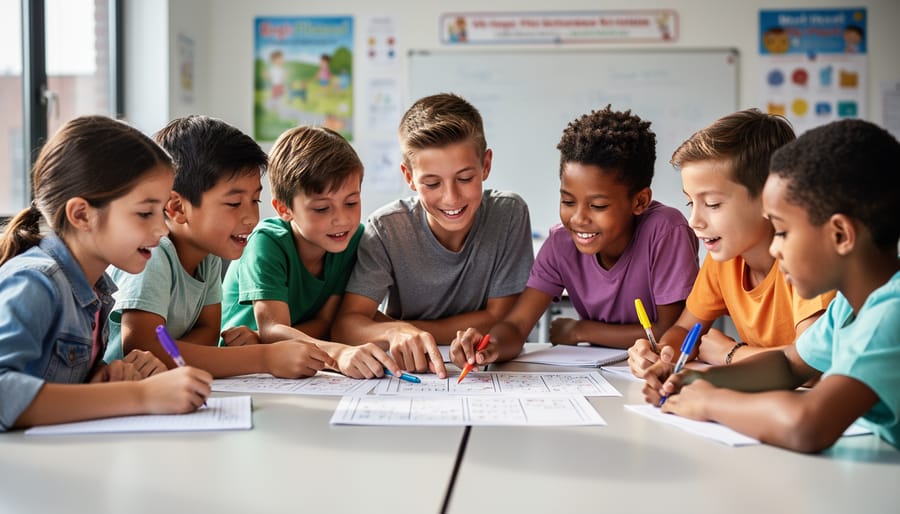
Cooperative problem-solving challenges. Give small groups a puzzle or building task that no one can finish alone, like constructing the tallest paper tower or solving a riddle where each student holds one clue. Because every piece matters, every voice does too. Afterward, ask what helped the group work well.
Perspective-taking with stories. Read a picture book or short story, then pause and ask, “What might this character be feeling? What would help them feel welcome?” Students practise imagining another person’s experience without being asked to share their own. Choose stories with characters of varied backgrounds, abilities, and family structures.
Rotating partners and roles. Change pairs and group jobs often, such as note-taker, reporter, or materials manager. Rotation keeps the same students from always leading or always sitting back, and it helps friendships form across the whole class.
Kindness and appreciation circles. Sit in a circle and invite students to name something they appreciated about a classmate’s effort or help. Sharing is always voluntary, and a student may pass. Offering sentence starters, like “I noticed you…”, gives quieter students an easy way in.
Activities Tied to Seasonal and Notable Dates
Notable dates can open doors, but they work best when they’re part of a bigger picture rather than a single poster on the wall. Pride month, LGBTQ+ history moments, Black History Month, National Indigenous History Month, Lunar New Year, Diwali, Eid, and other celebrations across cultures all give students a chance to see their own lives and their classmates’ lives reflected in learning.
Try treating each date as a starting point. Read a story connected to the celebration, then keep that book in your regular rotation all year. Invite students to share how their families mark special days, making sharing optional so nobody feels put on the spot. Pair a date with a lesson you’d teach anyway, like a science unit that highlights an LGBTQ+ or culturally diverse scientist.
Dates and traditions vary, so check before you plan rather than assuming a calendar. Local community event listings and Edmonton Pride are good places to find out what’s happening nearby, and families can be wonderful guides to the celebrations that matter to them. The goal is belonging in every month, not just the ones with a name.
Where Inclusion Shows Up Beyond a Single Lesson
Inclusion doesn’t stop when the lesson ends. The activities in this guide work best when they sit inside a larger culture of belonging, one that students feel in hallways, on the playground, and at home.
At the school level, clear policies on anti-bullying, names and pronouns, and equal access signal that every student matters. Student-led groups, such as gender and sexuality alliances, give young people a place to connect, organize, and lead. For students who want a peer community beyond school, local support groups can offer connection and care that complement what happens in the classroom.
Communication with families matters just as much. Welcoming newsletters, forms that make room for all family structures, and open invitations to share how students learn best build trust between home and school.
Staff learning keeps all of this alive. When educators have regular chances to reflect, ask questions, and learn from the community, classroom activities stop being one-off events and become part of how the whole school works.
Local Resources for Edmonton Educators and Families
Inclusion grows stronger when it isn’t carried by one teacher or one family alone. Edmonton has a lively LGBTQ+ community, and connecting with it can give educators and families new ideas, support, and a sense of shared purpose.
A good first step is to reach out to Edmonton Pride and other local LGBTQ+ and community organizations. Ask what resources, conversations, or ways of getting involved might fit your classroom or family. You can also keep an eye on community event listings and local calendars, since gatherings are a gentle, low-pressure way to meet people and see inclusion in action. If you’re not sure where to begin, this guide on how to find community in Edmonton is a welcoming place to start.
Don’t hesitate to ask questions. Most organizations are glad to hear from curious educators and parents.
Common Questions About Inclusion in the Classroom
Here are answers to the questions we hear most often from educators, parents, and allies who are just getting started.
Is inclusion only about students with disabilities?
No. Inclusion is about every student feeling welcomed and able to take part, including LGBTQ+ and intersex students, newcomers, and students from all kinds of families and cultures. Supporting students with disabilities is an important part of it, but it’s never the whole picture.
How can I start if I’m new to this?
Start small. Try one change, like greeting the class with “everyone” or “friends,” or adding a few books that reflect different families. Small, steady habits build belonging faster than a big overhaul.
What if I make a mistake?
You will, and that’s okay. If you misuse a name or pronoun, offer a quick apology, correct yourself, and keep going. Showing students how to repair a mistake with grace is a lesson in itself.
Does inclusion take away from academic learning?
It supports it. Students who feel safe and valued are more willing to ask questions, share ideas, and take risks. Offering different ways to learn and show understanding also helps more students reach the same goals.
As for including LGBTQ+ topics in an age-appropriate way, the key is to match the conversation to your students’ ages and your school’s guidance. With younger children, that can be as simple as reading stories with families that have two moms or two dads, or talking about kindness and respecting differences. With older students, you can bring in LGBTQ+ history, community voices, and honest discussion. Whatever the age, keep the focus on respect and belonging, and let students share only what they choose to.
At its heart, inclusion in the classroom means every student is welcomed, valued, and supported to take part fully in learning and in the life of the room. It isn’t a single lesson or a poster on the wall. It’s built in small, repeated moments: a name pronounced correctly, a story that reflects a student’s family, a group task where everyone has a real role.
That’s why Inclusive Classroom Activities matter so much. They turn a good intention into something students can actually feel. You don’t need a big budget or a perfect plan to begin. Pick one idea from this article, adapt it to your students, and see how the room responds. If something doesn’t land, adjust and try again. That’s part of the practice.
And you don’t have to do this alone. Edmonton’s LGBTQ+ community, including the Edmonton Pride community, is full of people who care about young people feeling seen and safe. Reach out, ask questions, share what you learn. When one classroom becomes a place of belonging, the whole community grows stronger.