
Community support from major corporations like T-Mobile isn’t just about donations and rainbow logos during Pride month. It’s a framework that combines mobile connectivity, financial backing, and platform amplification to address real barriers LGBTQ+ individuals face in accessing healthcare, employment resources, and safe spaces to connect. For Edmonton’s queer community, understanding how these corporate models work reveals practical pathways to strengthen local advocacy, expand digital access for vulnerable members, and build partnerships that translate broad commitments into tangible support on the ground.
The connection between mobile technology and LGBTQ+ well-being runs deeper than many realize. Reliable internet access enables isolated youth in rural Alberta to find affirming communities online. Smartphones provide discreet access to mental health resources for those not yet out to family. Digital platforms create lifelines for trans individuals navigating healthcare systems or legal name changes. When corporations invest in connectivity infrastructure and community programs, they’re not simply checking a corporate social responsibility box. They’re influencing who gets access to the tools that make daily survival and long-term thriving possible.
But corporate frameworks only matter if community organizations know how to engage with them strategically. Edmonton’s LGBTQ+ advocates can study successful community support models to identify which elements translate locally, whether that’s advocating for expanded low-cost mobile plans for low-income queer households, partnering on digital literacy programs, or using corporate matching funds to amplify grassroots fundraising. The gap between a company’s national Pride statement and meaningful impact in our city closes when local leaders understand the mechanics of these programs and push for accountability that serves our community’s specific needs.
Understanding T-Mobile’s Community Support Framework
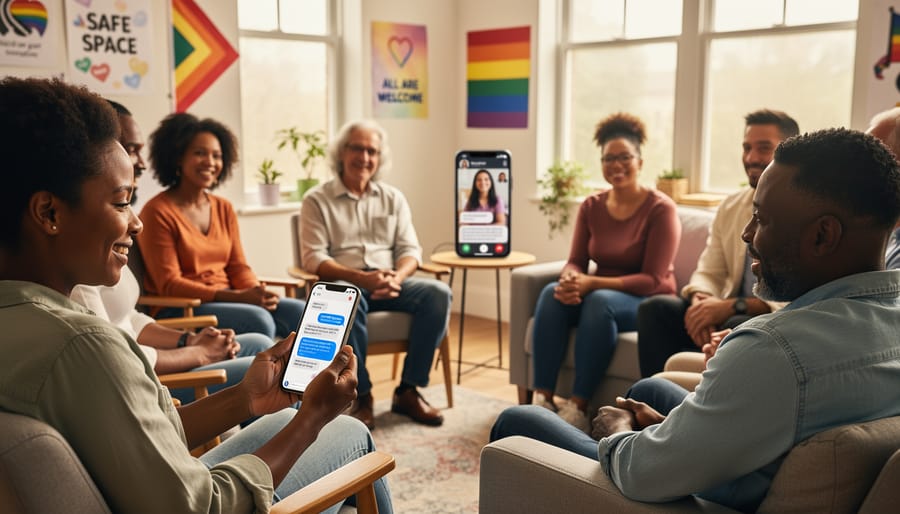
T-Mobile has built a comprehensive community support framework that extends beyond customer service to encompass meaningful social responsibility initiatives. At its core, the company’s approach combines workplace diversity programs with external community engagement, creating a model that demonstrates how corporations can actively support marginalized communities, including LGBTQ+ individuals.
The telecommunications giant has established several programs specifically designed to foster inclusion and community well-being:
- Employee Resource Groups (ERGs) dedicated to LGBTQ+ staff and allies, providing internal support networks and advocacy
- Partnership programs with LGBTQ+ organizations that extend support beyond corporate walls into local communities
- Supplier diversity initiatives that prioritize LGBTQ+-owned businesses in procurement decisions
- Community grants and sponsorships for Pride events and LGBTQ+ youth programs across North America
- Digital inclusion programs aimed at reducing connectivity barriers for underserved populations
What makes this framework particularly relevant for Edmonton’s LGBTQ+ community is how it illustrates the interconnection between corporate social responsibility and grassroots support systems. When companies invest in diversity and inclusion, the benefits ripple outward. Support for LGBTQ+ employees often translates into advocacy for community programs, funding for local initiatives, and partnerships that strengthen existing networks.
For local organizations, understanding these corporate structures provides a blueprint for building sustainable support systems. The model shows how combining internal culture change with external community investment creates lasting impact. It also demonstrates the value of partnerships between private sector entities and community groups working toward common goals like creating safer school environments and ensuring equitable access to resources that support well-being and connection across all community members.
Why Mobile Connectivity Matters for LGBTQ+ Community Well-being
Staying Connected in Remote or Rural Areas
Living outside Edmonton’s urban core can amplify the isolation many LGBTQ+ individuals already face. In communities like Spruce Grove, Leduc, or more remote areas of Alberta, reliable mobile connectivity becomes a lifeline rather than a convenience. When you’re surrounded by neighbours who may not understand or accept your identity, your phone might be your only link to people who do.
Rural LGBTQ+ youth especially depend on mobile access to find their community. Without the ability to casually walk into a Pride centre or attend drop-in events, they turn to online spaces, Discord servers, and virtual support groups. A dropped connection isn’t just frustrating, it can mean missing a crucial conversation with someone who gets what you’re going through.
Mobile coverage gaps in rural areas create real barriers to mental health support. When crisis lines and text-based counselling services require stable data connections, spotty service can prevent someone from getting help exactly when they need it most. Improved infrastructure and reliable mobile support in these areas directly translates to better access to life-saving resources for isolated community members.
Access to Crisis and Mental Health Resources

When someone in the LGBTQ+ community faces a mental health crisis or urgent need for support, mobile connectivity can mean the difference between isolation and immediate help. A smartphone becomes a lifeline, enabling instant access to trained counselors, peer support networks, and specialized services that understand the unique challenges our community faces.
Crisis helplines designed specifically for LGBTQ+ individuals are accessible 24/7 through mobile devices. Whether you’re experiencing thoughts of self-harm, dealing with rejection from family, or struggling with identity-related distress, you can call or text 988 to reach crisis counselors. Many LGBTQ+ organizations also operate dedicated support lines staffed by people who truly understand our experiences.
Beyond crisis intervention, mobile connectivity opens doors to ongoing LGBTQ+ wellness support through virtual counseling sessions, therapy apps, and online support groups. These digital resources prove especially valuable for those who aren’t out in their daily lives or who face transportation barriers to in-person services. Video counseling platforms allow community members to connect with LGBTQ+-affirming therapists from the privacy of their homes, while mental health apps provide meditation exercises, mood tracking, and coping strategies available whenever anxiety or depression strikes. Mobile access removes traditional barriers to care, making professional support available in moments when it’s needed most.
Adapting Corporate Community Models for Local LGBTQ+ Support
Building Partnership Opportunities
Local LGBTQ+ organizations in Edmonton can strengthen their impact by reaching out to mobile providers and other corporations with established diversity commitments. Start by researching companies that have publicly supported LGBTQ+ initiatives through sponsorships, employee resource groups, or Pride events. Many corporations maintain community investment programs specifically designed to partner with non-profits addressing social equity.
When approaching potential partners, come prepared with a clear proposal that outlines mutual benefits. Explain how mobile connectivity supports your community’s safety, mental health access, and daily community connection. Corporations value partnerships that align with their diversity goals while creating measurable community impact. Consider asking for sponsored connectivity programs for vulnerable community members, technology donations for community centers, or co-branded initiatives that increase both parties’ visibility.
Local organizations should also look beyond mobile providers to tech companies, retailers with LGBTQ+ partnerships, and financial institutions committed to inclusive community development. Building these relationships takes time, but they can provide sustainable resources that directly enhance your ability to serve the community. Document your organization’s reach, the demographics you serve, and specific technology gaps you’re addressing. These details help corporate partners understand their investment’s real-world impact and justify continued support to their stakeholders.
Creating Community-Centered Technology Initiatives
Local LGBTQ+ organizations in Edmonton can develop technology initiatives that directly serve community needs while fostering genuine connection. Rather than waiting for corporate partnerships, grassroots programs built around mobile technology can address immediate gaps in support, safety, and resource access.
Consider initiatives that center mobile accessibility as a core feature of community programming. A text-based check-in system could connect isolated community members with volunteers, offering daily or weekly touchpoints for those experiencing loneliness or mental health challenges. Community calendar apps designed specifically for LGBTQ+ events eliminate the barrier of searching multiple platforms and can include safety features like real-time updates about venue accessibility or unexpected protests.
Practical technology initiatives that Edmonton’s LGBTQ+ community could develop include:
- A shared digital resource directory accessible via text message for those with limited data plans
- Community-run safety networks using location sharing during late-night travel or unfamiliar situations
- Mobile-friendly peer support matching systems connecting individuals based on shared experiences or identities
- Virtual event platforms optimized for low-bandwidth connections to ensure rural community members can participate
- Anonymous reporting tools for documenting discrimination or hate incidents with immediate connection to support services
Start small with one focused initiative rather than attempting comprehensive platforms. A successful text-based resource line serving fifty people creates more immediate value than an ambitious app that never launches. Gather input directly from community members about their actual technology use patterns and barriers before designing any program. The most effective initiatives often emerge from listening sessions where people share what genuinely prevents them from accessing support, then building simple mobile-first solutions around those specific obstacles.
Digital Spaces as Extensions of Physical Community
Mobile devices have become more than communication tools for Edmonton’s LGBTQ+ community, they’re lifelines to digital spaces that function as genuine extensions of our physical gathering places. For individuals navigating work schedules, family obligations, mobility challenges, or geographic distance, online communities accessed through smartphones create vital connection points that complement in-person events.
These digital spaces hold particular significance for those who face barriers to attending physical gatherings. A trans person in the early stages of coming out might initially engage through online forums before feeling ready to attend Pride events. Someone living with chronic illness or disability can participate in LGBTQ+ support groups from home when travel proves difficult. Youth in unsupportive households can find chosen family through moderated chat spaces accessed privately on their phones.
The flexibility of mobile-accessed community spaces matters enormously. A parent can check in with their online support network during their lunch break. Someone experiencing a crisis at 2 a.m. can reach peer support through messaging apps or access mental health resources when physical offices are closed. Rural residents outside Edmonton proper maintain ties to urban community hubs through video calls and social media groups.
Digital spaces also allow for different types of vulnerability and connection. Some people share experiences online that they’re not yet comfortable discussing face-to-face. Others use digital platforms to organize in-person meetups, creating a continuum between online and offline community engagement.
The key lies in viewing mobile-accessed communities not as replacements for physical spaces but as complementary networks that expand who can participate in community life and when. Together, these layered connection points create more resilient support structures for Edmonton’s diverse LGBTQ+ population.
Ensuring Equitable Access to Community Support Resources
Affordable Connectivity Programs
For LGBTQ+ community members facing financial constraints, several programs can help reduce the cost of staying connected. Canada’s federal Connecting Families initiative offers subsidized internet service to low-income households receiving certain benefits, with plans starting as low as $20 per month from participating providers. While this program primarily addresses home internet, it helps free up budget for mobile services.
Most major carriers, including Rogers, Bell, and Telus, offer prepaid plans starting around $15-25 monthly for basic calling and limited data. These options provide essential connectivity without long-term contracts or credit checks, which can be particularly helpful for young people, newcomers, or those experiencing housing instability.
The federal Affordable Connectivity Program (where available) can reduce monthly mobile bills by up to $30 for eligible households. Broadband affordability barriers disproportionately affect marginalized communities, making these subsidies crucial for maintaining the support networks that LGBTQ+ individuals rely on.
Some Edmonton-area providers also offer special rates for seniors, students, or those receiving income assistance. It’s worth calling providers directly to ask about unadvertised discounts or hardship programs. Additionally, purchasing a refurbished device outright, rather than financing through a contract, can significantly reduce monthly costs while still providing full smartphone functionality for accessing community resources and support services.
Community-Based Solutions
Edmonton’s LGBTQ+ community has developed practical solutions to ensure no one is left disconnected from vital support networks. Several local initiatives provide technology access and assistance specifically designed to meet the needs of community members facing financial or practical barriers to staying connected.
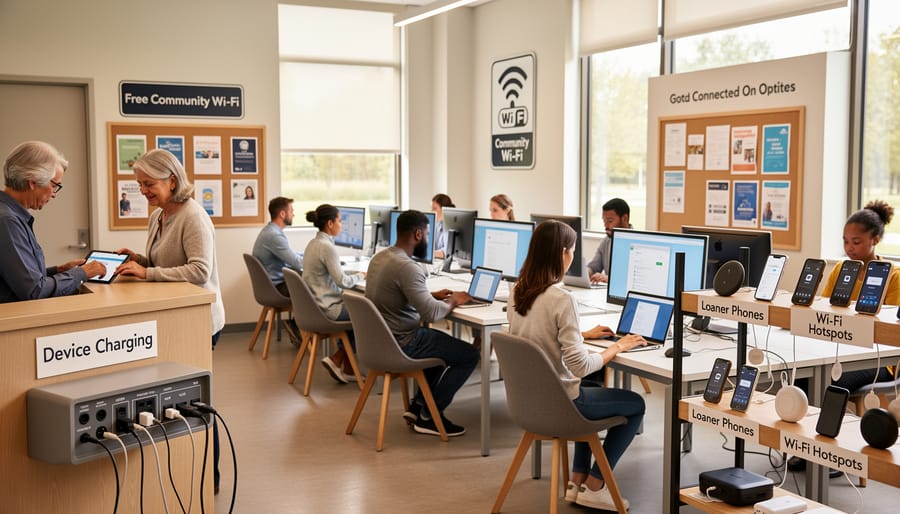
The Pride Centre of Edmonton offers drop-in computer and internet access during regular hours, creating a safe space where community members can connect with online resources, participate in digital support groups, and maintain contact with their networks. Staff can also help navigate applications for low-cost mobile plans and connect individuals with appropriate assistance programs.
Local resources offering technology access support include:
- Edmonton Public Library branches with free wifi, computer stations, and device lending programs
- Youth Empowerment and Support Services (YESS) providing connectivity access and mobile device support for LGBTQ+ youth experiencing homelessness
- Community tech workshops at community centres teaching digital literacy and helping with mobile service applications
- Local mutual aid networks offering refurbished phones and monthly service sponsorships for those in crisis
These grassroots solutions demonstrate how community-led initiatives can bridge the digital divide. Many Edmonton LGBTQ+ organizations maintain small emergency funds to help community members cover urgent mobile service needs, recognizing that staying connected isn’t just convenient, it’s essential for safety and well-being. Reaching out to local organizations when facing connectivity challenges often opens doors to practical help and community support you might not have known existed.
Mobile connectivity isn’t just about staying in touch, it’s a lifeline that shapes how our LGBTQ+ community in Edmonton supports one another, accesses vital resources, and builds resilience. The corporate community support models we’ve explored demonstrate that technology companies increasingly recognize their role in fostering inclusive communities, creating frameworks that local organizations can adapt and build upon.
By examining how major providers structure their community programs, we gain valuable insights for strengthening our own networks. The key lies in translating these broader models into locally responsive initiatives that address Edmonton’s specific needs. Whether through formal partnerships with corporations committed to LGBTQ+ inclusion or grassroots technology-sharing programs developed within our community, the goal remains consistent: ensuring every community member can access the digital resources they need to thrive.
As you engage with Edmonton’s LGBTQ+ community, whether as an organizer, advocate, or member, consider how mobile connectivity factors into the support structures you create and maintain. Explore opportunities to collaborate with socially responsible companies, advocate for affordable connectivity programs, and champion initiatives that remove technological barriers. When everyone has equitable access to mobile resources, our entire community grows stronger, more connected, and better equipped to support one another through every challenge and celebration.